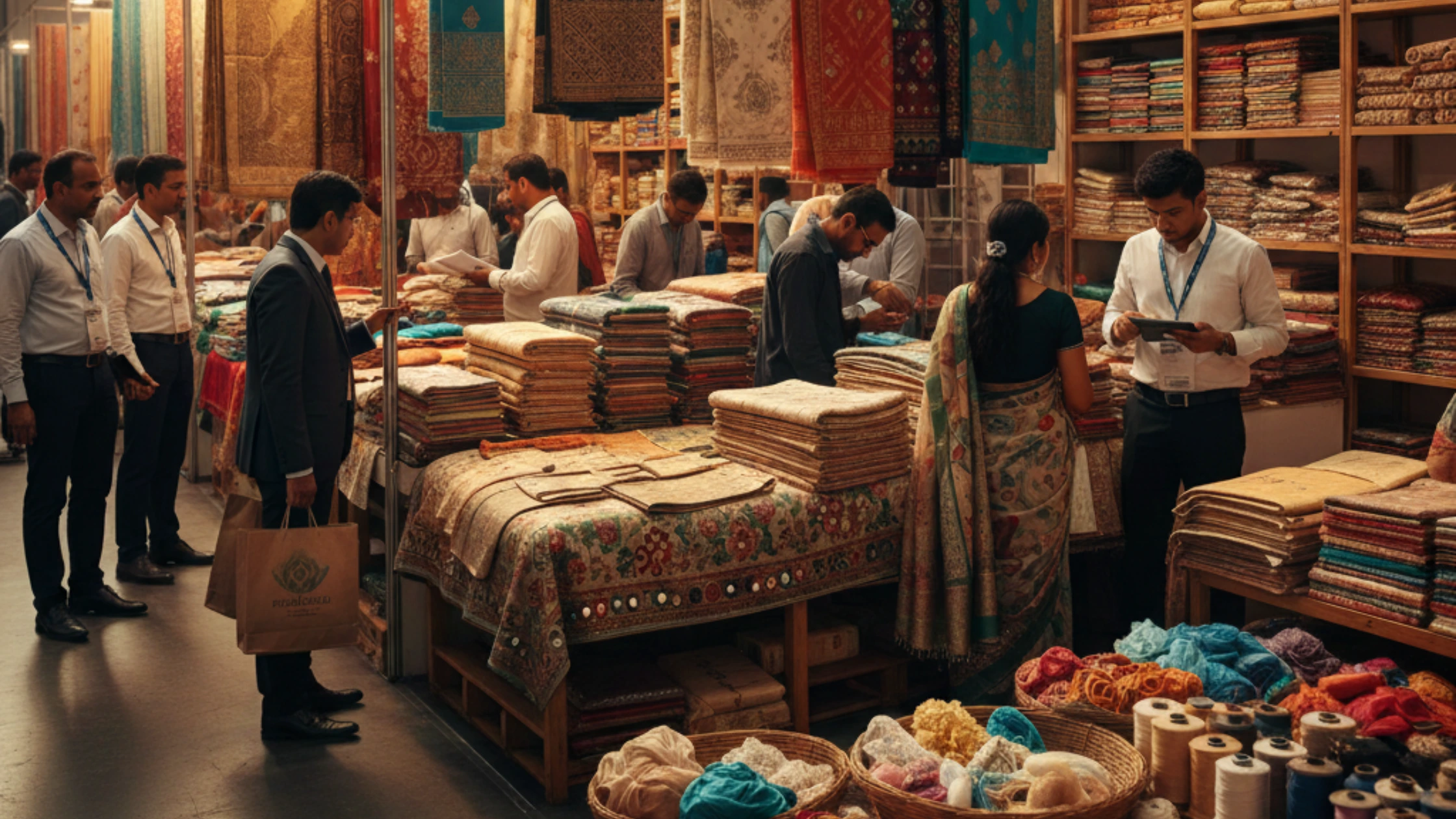
How SMEs Can Enter the Indian Textiles Export Market: Step-by-Step Guide
India’s textile industry stands as one of the most dynamic and influential sectors in the
global economy. With a rich heritage, strong raw material base, and skilled craftsmanship, India
has long been a leader in textile production and export. For small and medium enterprises
(SMEs), this market presents tremendous opportunities to expand globally, reach new customers,
and build international credibility. However, entering the export market requires strategy,
compliance, and market understanding. BigBang Exports, a trusted name in the textile trading and
export ecosystem, has helped numerous SMEs scale from local operations to global supply
partners. Known for its reliability, innovation, and transparency, BigBang Exports supports
emerging exporters through end-to-end guidance—covering product sourcing, logistics, and
compliance—to help them make a successful debut in the international textile market.
Why the Textile Export Sector Is Perfect for SMEs
India’s textile export market offers an ideal entry point for small and medium businesses
because of its accessibility, global demand, and government support. The sector contributes over
10% to India’s total exports and is expected to grow steadily with increasing demand for
sustainable and ethical fabrics. For SMEs, the opportunities are vast:
- Global Market Reach: High demand in the US, EU, Middle East, and Japan.
- Government Support: Export incentives, tax rebates, and dedicated export
promotion councils.
- Diverse Product Range: Cotton, silk, jute, synthetic fabrics, and
handcrafted goods offer flexibility.
- Sustainability Advantage: India’s eco-friendly production practices
appeal to conscious buyers.
With the right strategy, SMEs can compete internationally and establish long-term export success.
Understanding the Indian Textiles Export Landscape
The Indian textiles export industry is one of the
largest in the world, catering to multiple product segments including apparel, home furnishings,
yarns, and fabrics. It operates within a complex yet rewarding ecosystem that blends traditional
craftsmanship with advanced manufacturing technologies. SMEs looking to enter this market should
first understand:
- Product Niches: Identify a clear product focus—such as organic
cotton, ethnic wear, or technical textiles.
- Export Hubs: Key hubs include Tirupur, Surat, Panipat, Jaipur, and
Ludhiana.
- Buyer Segments: Differentiate between B2B bulk buyers, retail chains, and
boutique stores.
- Export Channels: Direct exports, merchant exporters, and partnerships with
sourcing agents.
- Compliance and Certification: Quality standards like OEKO-TEX, GOTS, and
ISO are essential for credibility.
Understanding this foundation ensures smoother market entry and long-term business
sustainability.
Steps for SMEs to Enter the Export Market
Breaking into the textile export industry requires a structured, step-by-step approach that
blends research, networking, and execution.
- Research and Identify the Right Market
Begin by studying
international demand patterns. Analyze which countries import the most textile products and
what price segments they operate in.
- Use export data from DGFT and trade platforms.
- Attend global textile trade fairs and virtual exhibitions.
- Identify emerging trends such as sustainable fabrics or customized textile solutions.
Thorough research helps you position your business strategically.
- Register Your Business for Export
Before exporting, ensure your
business is legally compliant.
- Obtain an Import Export Code (IEC) from DGFT.
- Register with relevant Export Promotion Councils (EPCs) like TEXPROCIL or AEPC.
- Open a current account with an authorized dealer bank for foreign trade transactions.
Proper documentation establishes your credibility in international trade.
- Develop a Product Portfolio for Global Buyers
Your products should
match global expectations in quality, consistency, and packaging.
- Focus on one niche before expanding.
- Create sample collections for display at trade shows.
- Highlight USPs like handmade craftsmanship, organic fabrics, or competitive pricing.
- Invest in quality control to maintain consistency across batches.
A focused product line enhances brand perception in overseas markets.
- Build a Digital Presence and Export Brand
In the modern export
landscape, online visibility is key.
- Create a professional website showcasing your catalog.
- List on B2B export platforms like Alibaba, TradeIndia, or IndiaMART.
- Use social media and email marketing to reach foreign buyers.
- Offer virtual product tours and digital brochures.
A digital-first approach builds trust and accessibility with international clients.
- Pricing and Cost Strategy
Export pricing differs from domestic
pricing due to shipping, duties, and currency fluctuations.
- Include costs for logistics, certifications, packaging, and commissions.
- Research competitors’ international prices before quoting.
- Offer flexible payment terms while ensuring profit margins.
Smart pricing helps attract buyers while sustaining profitability.
- Understand Logistics and Shipping
Smooth logistics can make or break
an export deal.
- Partner with reliable freight forwarders and clearing agents.
- Learn INCOTERMS (FOB, CIF, EXW) to negotiate delivery terms.
- Choose appropriate packaging to avoid damage during transit.
- Track shipments digitally for transparency.
Efficient logistics ensure on-time delivery and strong buyer relationships.
- Manage Legal and Financial Documentation
Compliance is key to
seamless export operations.
- Prepare invoices, packing lists, and bills of lading correctly.
- Maintain all trade agreements and insurance policies.
- Follow international payment methods—Letter of Credit, Advance Payment, or DP Terms.
- Stay updated on export duties and GST regulations.
Accurate documentation prevents disputes and delays in payment.
- Build Long-Term Buyer Relationships
Export success relies on trust
and relationship management.
- Deliver on promises regarding quality and deadlines.
- Stay transparent about production timelines.
- Offer after-sales support and consistent communication.
- Participate in buyer-seller meets and exhibitions to expand networks.
A reliable reputation attracts repeat orders and word-of-mouth clients.
- Adopt Sustainable and Ethical Practices
Global buyers increasingly
prefer suppliers committed to sustainability.
- Use organic or recycled materials.
- Reduce water and energy consumption in production.
- Ensure fair labor practices and safe working conditions.
Sustainability is not just a selling point—it’s a long-term growth driver.
- Seek Expert Partnerships
SMEs can benefit from experienced export
consultants or established export firms to minimize risks. Partnering with reputed names
like BigBang Exports ensures guidance through compliance, logistics, and
marketing—simplifying the export journey for first-time exporters.
How the Government Supports SME Exporters
The Indian government provides multiple schemes to encourage exports.
- MEIS/RODTEP Incentives: Rebates on exported goods.
- Export Credit Guarantee Corporation (ECGC): Protects exporters from payment
defaults.
- Market Access Initiative (MAI): Funding support for trade promotion
activities.
- Skill Development Schemes: Training programs for artisans and exporters.
SMEs should leverage these benefits to gain a competitive edge internationally.
Common Challenges and How to Overcome Them
Every export business faces challenges in its early stages.
- Market Understanding: Lack of research leads to mismatched product-market
fit.
- Quality Consistency: Invest in proper quality control systems.
- Financial Risk: Use trade finance tools to manage payment security.
- Cultural Differences: Understand buyers’ preferences and
communication styles.
Preparation and adaptability are key to overcoming these hurdles successfully.
Why BigBang Exports Is the Ideal Partner for SMEs
BigBang Exports bridges the gap between local textile producers and international buyers with
unmatched expertise.
- Global Reach: Strong network across Europe, the US, and the Middle East.
- End-to-End Support: From compliance to delivery, every step is handled
efficiently.
- Ethical Sourcing: Focus on sustainable and fair-trade practices.
- Transparency: Clear pricing and communication ensure trust and reliability.
Their commitment to empowering Indian SMEs makes them a vital partner for global expansion.
Frequently Asked Questions (FAQs)
- How can a small business start exporting textiles from India?
Obtain
an IEC code, register with an export promotion council, identify target markets, and begin
by partnering with trusted export agents.
- Do I need certifications to export textiles?
Yes, certifications
like OEKO-TEX, GOTS, or ISO help establish quality assurance and attract international
buyers.
- What is the best way to find overseas textile buyers?
Attend trade
fairs, use B2B platforms, and engage in digital marketing to connect with verified global
importers.
- How can SMEs manage export payments securely?
Use secure methods
like Letters of Credit (LC) and partner with banks offering export financing solutions.
- Is sustainability important for textile exports?
Absolutely.
Eco-friendly and ethically made products are increasingly demanded by global markets, adding
long-term value to your business.
Conclusion
Entering the textile export market may seem challenging, but with the right strategy, global
success is achievable. BigBang Exports empowers SMEs with knowledge, connections, and structured
processes that simplify every step of the export journey. Their expertise helps businesses build
trust, meet global standards, and expand their presence across continents. With strategic
planning, sustainable production, and guidance from industry leaders, even small manufacturers
can build an international footprint and grow successfully. As the best export company in India,
BigBang Exports continues to support SMEs in transforming from local producers into global
textile suppliers—shaping India’s export future with reliability, innovation, and
excellence.