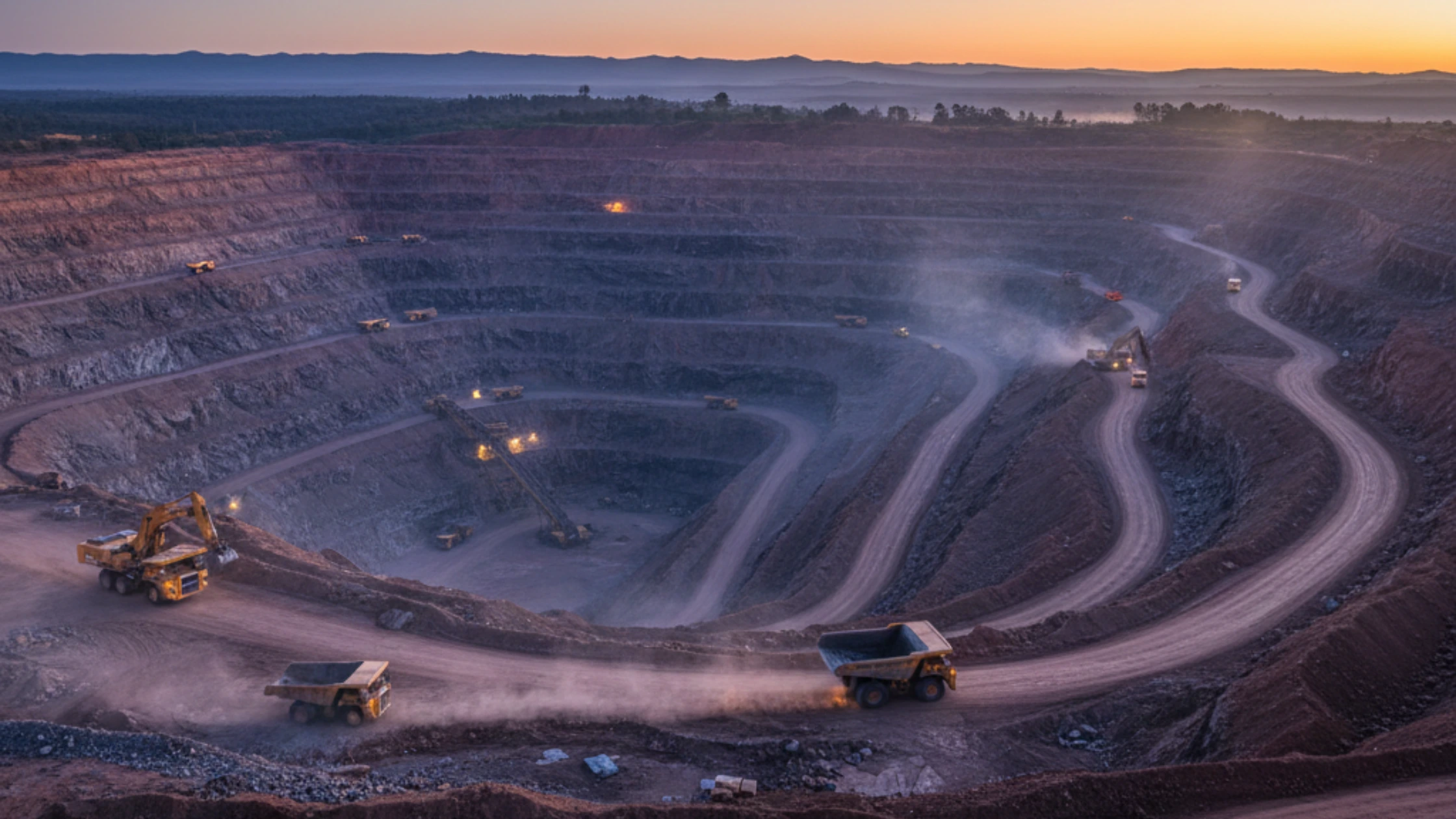
Major Minerals Exported from India and Their Industrial Applications
India has long been recognized as a global hub for mineral production and export, thanks to its
vast geological diversity and rich deposits. The country ranks among the top producers of
several key minerals used across industries worldwide—construction, energy, electronics,
ceramics, steel, pharmaceuticals, and more. For international buyers, India’s mining
sector offers reliability, competitive pricing, and consistent quality. For exporters, the
mineral trade opens opportunities for large-scale, long-term growth in the global market.
BigBang Exports, known for its commitment to transparency and quality, has emerged as a trusted
partner for businesses around the world seeking ethically sourced and premium-grade minerals.
With deep market networks and strategic sourcing capabilities, BigBang Exports helps clients
access the finest minerals India has to offer, delivered with precision, compliance, and global
standards.
India’s Mineral Export Strength and Global Demand
India’s mineral export sector is powered by its abundant reserves and strong manufacturing
ecosystem. Minerals like iron ore, bauxite, silica sand, granite, feldspar, limestone, quartz,
and mica are in high demand across global industries due to their quality and versatility. Key
strengths include:
- Vast Reserve Base: India’s mining belts extend across Jharkhand,
Odisha, Rajasthan, Karnataka, Chhattisgarh, and Andhra Pradesh.
- Quality and Purity: Minerals extracted from Indian belts often feature
high-grade composition.
- Export-Ready Infrastructure: Ports, processing units, and logistics support
efficient trade.
- Competitive Pricing: Indian minerals offer cost advantages without
compromising quality.
- Industrial Versatility: Used in construction, electronics, ceramics,
steelmaking, and more.
These advantages make India a major contributor to several mineral supply chains worldwide.
Understanding the Indian Mineral Exports Ecosystem
The Indian mineral exports industry is structured
around robust mining clusters, processing plants, and global demand centers. Whether for raw
materials or processed minerals, India plays a significant role in international trade.
Key mineral export categories include:
- Metallic Minerals: Iron ore, manganese, chromite, bauxite, copper ore.
- Non-Metallic Minerals: Feldspar, quartz, silica sand, gypsum, limestone,
barite.
- Industrial Minerals: Bentonite, talc, mica, kaolin, garnet, dolomite.
- Dimension Stones: Granite, marble, sandstone.
Each mineral has distinct industrial applications—ranging from electronics and ceramics to
metallurgy and infrastructure development.
Iron Ore and Its Applications
Iron ore is one of India’s top exported minerals, primarily shipped to China, Japan, and
South Korea. Its applications include:
- Steel Production: Core ingredient for producing structural steel.
- Automobile Manufacturing: Essential for car bodies, engine parts, and
machinery.
- Construction Materials: Used in bars, rods, beams, and reinforcement.
India’s high-grade hematite ores make it a competitive exporter in the global steel supply
chain.
Bauxite and Its Applications
India ranks among the top bauxite exporters globally.
- Aluminium Production: Primary raw material for refining aluminium.
- Aerospace Components: Lightweight aluminium alloys improve aircraft
efficiency.
- Packaging Industry: Aluminium foils and cans.
- Electrical Applications: Conductor wires and high-voltage cables.
Bauxite from India is valued for its high alumina content and low impurities.
Quartz and Its Applications
India exports large quantities of quartz to the US, Europe, and Middle East.
- Electronics: Used in semiconductors, circuit boards, and solar panels.
- Glass Manufacturing: Clear and high-purity quartz forms the base of glass
products.
- Construction: Used in engineered stone, tiles, and countertops.
- Foundry Applications: Acts as a flux in casting processes.
Indian quartz is celebrated for its clarity, purity, and consistent grain structure.
Granite and Dimension Stones
Indian granite is world-famous for its texture, strength, and variety.
- Flooring and Countertops: Preferred in premium interior designs.
- Monuments and Outdoor Paving: Durable and weather-resistant.
- Commercial Architecture: Used in façades, wall cladding, and
installations.
Countries like the US, Italy, UAE, and Germany import Indian granite extensively due to its
longevity and beauty.
Feldspar and Its Applications
Feldspar is one of India’s most exported ceramic minerals.
- Ceramic Tiles and Sanitaryware: Improves strength and durability.
- Glass Production: Acts as a flux, helping the glass melt smoothly.
- Paints and Plastics: Adds hardness and chemical resistance.
Indian feldspar has consistent alkali content, making it ideal for industrial applications.
Silica Sand
Silica sand is a vital industrial raw material.
- Glass Manufacturing: High-grade silica produces clear and strong glass.
- Foundries: Used in moulds and casting.
- Water Filtration: Acts as a filtration medium.
- Construction: Used in plastering and flooring.
India supplies both natural and washed silica sand to global industries.
Mica and Its Applications
India has historically been one of the largest mica exporters.
- Electronics: Used in capacitors, insulators, and thermal applications.
- Cosmetics: Adds shimmer to makeup products.
- Paints and Coatings: Enhances durability and brightness.
Indian muscovite mica is prized for its transparency and flexibility.
Barite
Barite is in high demand, especially in the Middle East and the US.
- Oil and Gas Drilling: Used as a weighting agent in drilling mud.
- Paints and Plastics: Enhances brightness and viscosity.
- Medical Imaging: Used in X-ray contrast agents.
India is a major exporter due to its high-density barite deposits.
Limestone
Limestone forms the backbone of numerous industries.
- Cement Manufacturing: A primary ingredient.
- Steel Industry: Acts as a flux in smelting.
- Agriculture: Soil conditioner and pH regulator.
- Chemical Processing: Used in detergents, glass, and paper.
Large limestone reserves make India a consistent and reliable supplier.
Bentonite
India exports sodium and calcium bentonite varieties.
- Foundry: Used for green sand moulds.
- Cosmetics: Skin cleansers and detox masks.
- Oil Drilling: A thickening agent in drilling mud.
- Pharmaceuticals: Used in medication stabilizers.
Indian bentonite is valued for its swelling capacity and absorption.
Sustainability in Indian Mineral Exports
Sustainability has become essential in the mineral sector.
- Eco-Friendly Mining: Reduced water usage and controlled excavation.
- Green Processing Technologies: Lower emissions and waste.
- Waste Recycling: Mine tailings reused in construction and road works.
- Certifications and Compliance: Ensuring ethical and environmental
responsibility.
This ensures long-term viability and acceptance in global markets.
Why Partner with Professional Export Firms
Navigating global mineral exports requires expertise.
- Quality Assurance: Maintaining international-grade specifications.
- Export Documentation: Compliance with customs and buyer regulations.
- Logistics Coordination: Safe packaging and timely delivery.
- Global Buyer Network: Access to established international markets.
Partnering with experienced firms helps exporters minimize risks and expand sustainably.
How BigBang Exports Supports Global Buyers
BigBang Exports is known for its commitment to quality, authenticity, and global trade
excellence.
- Sourcing Expertise: Access to top mining belts in India.
- Strict Quality Control: Each shipment undergoes thorough inspection.
- Transparent Communication: Buyers receive constant updates on sourcing and
logistics.
- Customized Supply Solutions: Tailored based on industry requirements.
- Ethical Practices: Focus on responsible mining and sustainable trade.
Their end-to-end export capabilities make them a trusted supplier across continents.
Frequently Asked Questions (FAQs)
- Which minerals are most exported from India?
Iron ore, granite,
quartz, feldspar, silica sand, barite, and bentonite are among the top exported minerals.
- Why is Indian granite popular worldwide?
Indian granite is valued
for its durability, unique patterns, and wide color range.
- What industries rely heavily on Indian minerals?
Construction,
steelmaking, ceramics, electronics, oil drilling, and glass manufacturing depend on Indian
minerals.
- How can international buyers verify mineral quality?
Through
certifications, lab tests, third-party inspections, and supplier credibility checks.
- Are Indian mineral exports sustainable?
Yes. Many suppliers follow
eco-friendly mining practices, comply with environmental norms, and use efficient processing
technologies.
Conclusion
India’s mineral wealth plays a critical role in powering global industries - from
construction and manufacturing to electronics and ceramics. With strong reserves, competitive
pricing, and reliable quality, the country continues to be a preferred sourcing destination
worldwide. BigBang Exports connects global buyers to India’s finest minerals through
ethical sourcing, strict quality control, and seamless logistics. Their commitment to excellence
and customer satisfaction strengthens India’s position on the global stage. With a mission
to deliver trust, transparency, and consistency, BigBang Exports continues to set new benchmarks
- earning recognition as the best
export company in India, trusted by industries across the world.