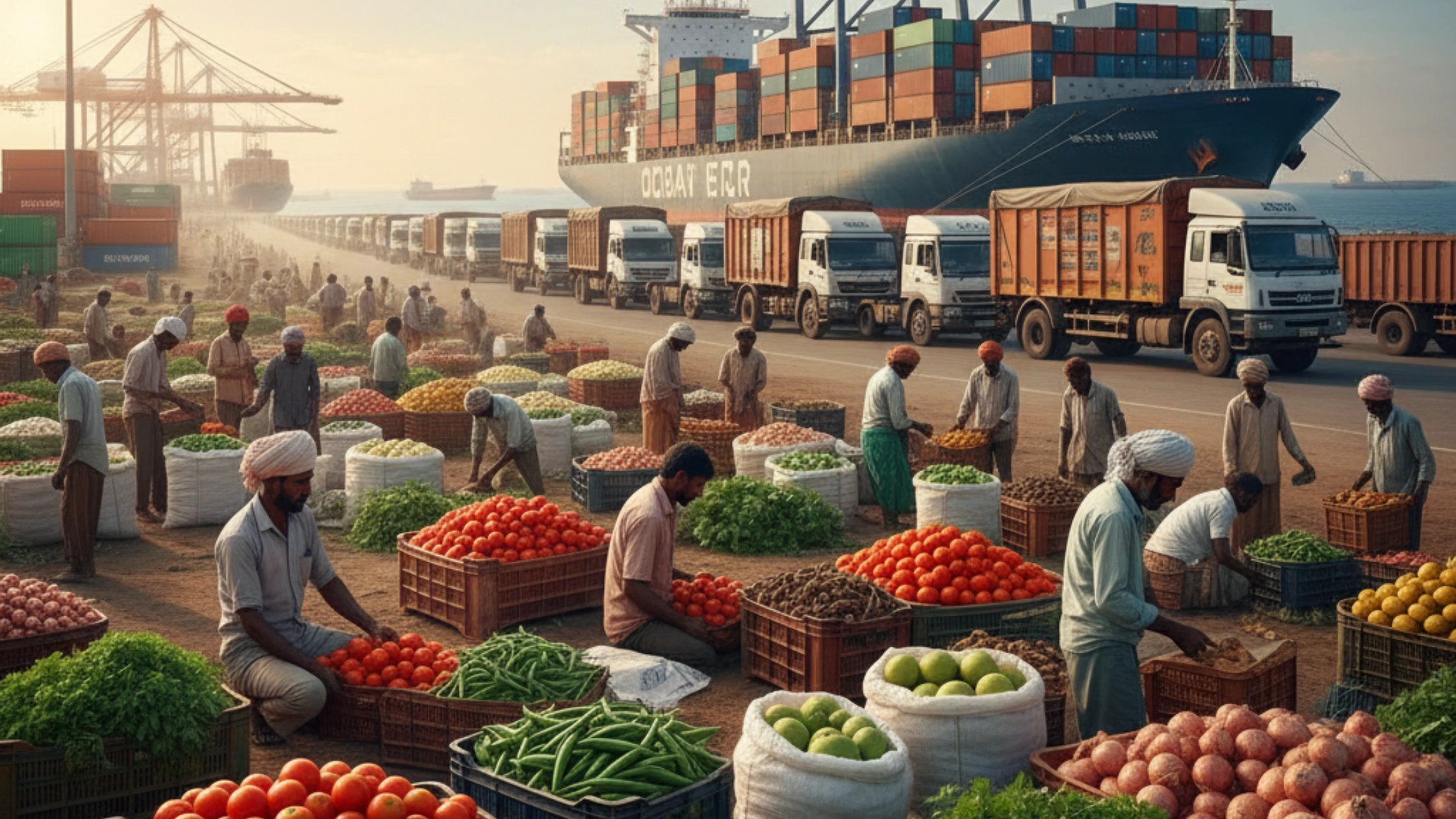
India’s agricultural legacy stretches across centuries, rooted in fertile lands, skilled farmers, and a deep understanding of natural cycles. Today, this heritage has evolved into a powerful global trade network, making the export of agricultural products one of India’s most significant economic strengths. Among the leading contributors to this growth, BigBang Exports stands as a symbol of quality and reliability, connecting Indian farmers to international markets. By ensuring high standards, sustainable practices, and timely delivery, BigBang Exports has helped position India as a trusted global supplier of agricultural goods. The increasing global demand for Indian agricultural exports is not accidental—it’s driven by quality, diversity, and the country’s ability to adapt to changing international preferences.
India’s vast geography and climate diversity make it one of the few countries capable of producing a wide range of agricultural products year-round. From spices and grains to fruits, vegetables, and pulses, Indian produce reaches markets across Asia, Europe, Africa, and the Americas. The country is the world’s largest producer of spices, second-largest producer of rice and wheat, and among the top five in fruits and vegetables. This wide portfolio makes India an indispensable player in the global food trade. The rise of health-conscious consumers and the shift toward organic, non-GMO, and plant-based diets have only increased the attractiveness of Indian agricultural products.
Several key factors explain why international buyers continue to seek Indian agricultural products. First, India offers competitive pricing without compromising quality. Second, Indian exporters are increasingly adopting global food safety and hygiene standards, ensuring products meet international requirements. Third, advancements in logistics, packaging, and preservation techniques allow fresh produce to retain its quality over long distances. Moreover, the growing global preference for authentic Indian ingredients—such as turmeric, cumin, and Basmati rice—has created a steady export pipeline. These combined factors make India a consistent and trusted supplier in the international marketplace.
The rapid growth in exports wouldn’t be possible without the contribution of Agri exporters in India who connect local producers with global consumers. These exporters act as vital intermediaries, ensuring farmers receive fair prices while buyers get products that meet strict quality benchmarks. They handle everything from sourcing, processing, and packaging to logistics and compliance with international trade laws. This professional structure has made India’s agricultural exports more organized and transparent, fostering long-term partnerships with overseas clients.
The Indian government has introduced numerous initiatives to encourage and streamline agricultural exports. The Agriculture Export Policy (AEP) aims to double farmers’ income by promoting exports of value-added products rather than just raw produce. Several export-oriented clusters and mega food parks have been established to strengthen the supply chain. Additionally, agencies such as the Agricultural and Processed Food Products Export Development Authority (APEDA) provide certification, infrastructure, and technical support to exporters. These policy measures have enhanced India’s competitiveness in the global market while maintaining a strong emphasis on quality and sustainability.
Modern consumers across the globe are not just looking for affordable products; they seek transparency, traceability, and eco-friendly sourcing. Indian exporters have risen to this challenge by implementing sustainable farming methods, water-efficient irrigation systems, and chemical-free cultivation practices. These eco-conscious steps appeal to global markets that prioritize ethical sourcing. Furthermore, the introduction of blockchain-based traceability systems and quality certifications ensures that every product exported from India meets international expectations.
The process of exporting agricultural products from India involves careful coordination between multiple stakeholders—farmers, suppliers, logistics partners, and government bodies. Indian exporters have mastered this process, ensuring efficiency and consistency. Whether it’s fresh mangoes shipped to Europe, spices exported to the Middle East, or grains supplied to Africa, Indian products are known for their authenticity and nutritional value. The expansion of digital platforms and e-commerce has also made it easier for international buyers to connect directly with Indian exporters, leading to more transparency and reduced dependency on intermediaries.
In a highly competitive industry, BigBang Exports has carved out its place as one of the most trusted names in agricultural trade. The company’s strength lies in its end-to-end control—from sourcing directly from farmers to maintaining international packaging standards. By combining technology, quality assurance, and customer-focused service, BigBang Exports delivers agricultural goods that consistently exceed expectations. Its commitment to sustainable practices and ethical sourcing not only benefits farmers but also builds long-term trust among global buyers. The brand’s reliability, transparency, and precision make it a preferred partner for businesses across continents.
While India enjoys numerous advantages, the sector faces challenges such as logistical bottlenecks, changing international trade policies, and varying quality standards across regions. Climate change poses another threat, affecting crop yields and predictability. However, these challenges present opportunities for innovation. With improved cold-chain logistics, digital export documentation, and investment in research and development, India can continue to strengthen its position. Exporters who embrace innovation and sustainability will lead the next phase of growth.
The future looks promising for India’s agricultural exports. As global consumers become more conscious of food origin and quality, India’s commitment to purity, taste, and sustainability will continue to attract attention. The expansion of free trade agreements and collaborations with global food industries will further enhance market access. The integration of advanced technologies such as AI-driven supply chain tracking, drone-assisted farming, and precision agriculture will boost efficiency and traceability—key factors that international buyers now demand.
The rising global demand for Indian agricultural products highlights the country’s strength as both a producer and exporter. With a combination of quality, diversity, and reliability, India has earned its place among the world’s leading agricultural suppliers. Exporters play a crucial role in this success story by ensuring that the best of Indian produce reaches international shelves in perfect condition. Companies like BigBang Exports exemplify this spirit by maintaining world-class standards and empowering farmers through fair and sustainable partnerships. Their dedication to excellence and transparency continues to reinforce global trust in Indian exports. As India steps confidently into the future of agricultural trade, BigBang Exports remains at the forefront—bridging the gap between Indian fields and global tables, strengthening economies, and celebrating the rich legacy of Indian agriculture.