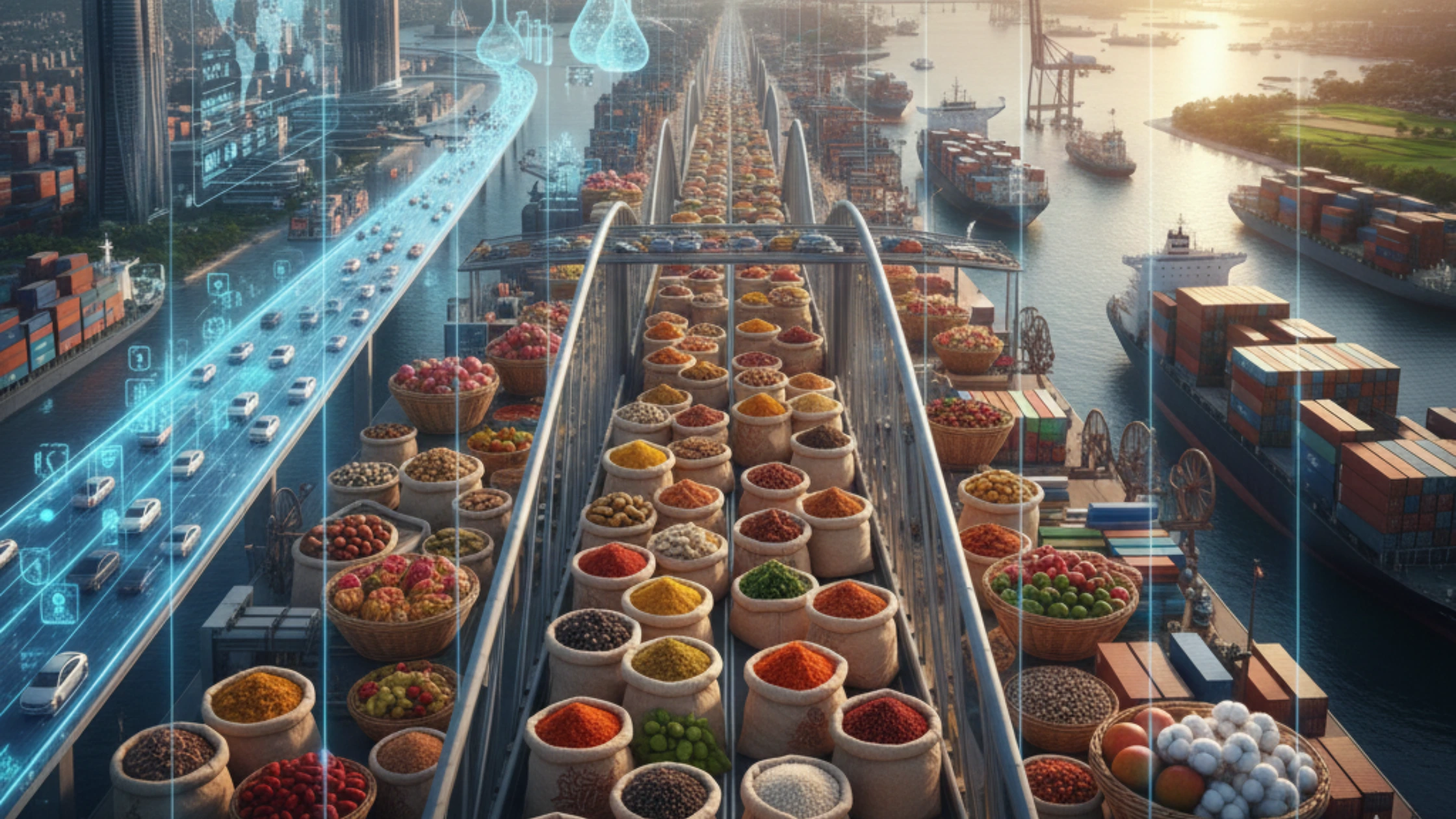
India’s export industry has witnessed a remarkable transformation over the past few decades. From being primarily an agrarian economy to becoming a global exporter of technology, pharmaceuticals, textiles, and engineering goods, the nation’s growth trajectory is inspiring. The foundation of this success lies in the resilience of Indian entrepreneurs, government support, and the growing global demand for high-quality Indian products. Among the companies driving this expansion, BigBang Exports stands tall as a brand synonymous with excellence, trust, and innovation. By prioritizing quality assurance, sustainable practices, and strong global partnerships, BigBang Exports represents the new era of Indian export leadership. The journey from traditional goods to high-tech exports reflects India’s adaptability and its growing influence on the global economy.
The strength of India’s export sector lies in its diversity. Unlike countries that rely heavily on a single export category, India thrives on a blend of agricultural, industrial, and service-based exports. This diversity not only strengthens economic resilience but also ensures balanced growth across multiple sectors. Agriculture remains a key contributor, with exports like rice, spices, tea, and fruits leading the way. Simultaneously, India’s pharmaceutical and engineering exports continue to gain recognition for their quality and affordability. The textile sector, known for its craftsmanship and design heritage, contributes significantly to India’s global image. With the IT and digital service industries revolutionizing communication and commerce, India has positioned itself as a complete export ecosystem catering to multiple global needs.
The title of India biggest exporter is not held by a single company but represents the collective strength of numerous sectors and enterprises working in synergy. From state-of-the-art factories to traditional farms, the backbone of India’s export success lies in the collaboration between innovation and heritage. Indian exporters have built their reputation on delivering value — not just in terms of price but in reliability, quality, and sustainability. This legacy has allowed India to maintain long-term trade relationships with countries across Asia, Europe, North America, and Africa. The evolution of India’s export industry showcases how the nation has transitioned from being a cost-effective supplier to a trusted strategic partner in global supply chains.
The range of export products from India is vast and continues to expand every year. Some of the most prominent categories include agricultural produce, textiles, gems and jewelry, pharmaceuticals, chemicals, engineering goods, and IT services. Each sector contributes uniquely to India’s export earnings while representing a different facet of the country’s industrial and cultural identity. For instance, India’s spices and tea continue to dominate global markets, while its engineering and automobile components play a crucial role in manufacturing ecosystems abroad. The pharmaceutical industry, often referred to as the “pharmacy of the world,” supplies affordable medicines and vaccines to over 200 countries. Meanwhile, the software and IT service sector continues to empower global businesses with cutting-edge solutions. This multifaceted export portfolio ensures that India’s global trade presence remains strong, stable, and future-ready.
Exports contribute significantly to India’s GDP, employment, and technological advancement. The continuous rise in exports has helped stabilize the Indian rupee, attract foreign investment, and improve industrial infrastructure. Each export sector contributes to job creation at different levels — from skilled engineers and IT professionals to farmers and artisans. Moreover, the export industry has spurred regional development by promoting specialized clusters like Surat for diamonds, Tirupur for textiles, and Hyderabad for pharmaceuticals. These clusters not only generate economic value but also preserve cultural and industrial identities unique to India.
India’s government has taken multiple steps to boost exports, such as the introduction of the Foreign Trade Policy (FTP), Special Economic Zones (SEZs), and various export incentive schemes. Programs like the Remission of Duties and Taxes on Exported Products (RoDTEP) and the Export Promotion Capital Goods (EPCG) Scheme have made it easier for exporters to remain competitive in the international market. The government also continues to sign trade agreements with key countries and regions, reducing tariffs and opening new market opportunities. Combined with digital reforms that simplify logistics and customs processes, these initiatives strengthen India’s position as a preferred export destination.
The integration of digital tools and data analytics has revolutionized the way India trades. Advanced technologies like AI, IoT, and blockchain are now being used to enhance traceability, transparency, and efficiency in the export process. Indian companies are leveraging predictive analytics to forecast global demand trends and optimize their production cycles accordingly. The result is a smarter, more agile export ecosystem capable of responding quickly to shifts in the global marketplace. This digital transformation has allowed exporters to maintain their competitive edge while meeting the evolving expectations of international buyers.
As the global market becomes increasingly conscious of sustainability, Indian exporters are aligning themselves with ethical and eco-friendly practices. From using renewable energy in manufacturing to supporting fair-trade farming, sustainability has become a cornerstone of export strategy. BigBang Exports is a leading example of this transformation, combining modern technology with eco-conscious initiatives to reduce its carbon footprint. The brand’s commitment to responsible sourcing and community welfare demonstrates how Indian exporters can achieve commercial success without compromising on environmental integrity.
While India’s export sector continues to thrive, it also faces several challenges. Global economic volatility, changing trade policies, and logistical bottlenecks can impact performance. However, these challenges also present opportunities for innovation and collaboration. By investing in infrastructure, skill development, and digital transformation, India can overcome these barriers and further expand its global presence. The increasing focus on sustainability, quality assurance, and diversification ensures that the country remains a reliable trade partner.
India’s export story is not just about numbers; it’s a narrative of resilience, innovation, and global collaboration. From agriculture to advanced technology, the nation’s export sectors reflect the diversity and dynamism of its economy. As demand for Indian products continues to rise, BigBang Exports remains at the forefront of this evolution, driving trade excellence through quality, trust, and sustainability. With a vision rooted in innovation and ethics, BigBang Exports exemplifies the modern face of Indian trade — one that connects local producers with global consumers while ensuring mutual growth. The collective efforts of Indian exporters are shaping the global economy in profound ways, reaffirming India’s position as a trusted global leader. The future of Indian exports is brighter than ever, marking a new era of opportunity, empowerment, and global influence.