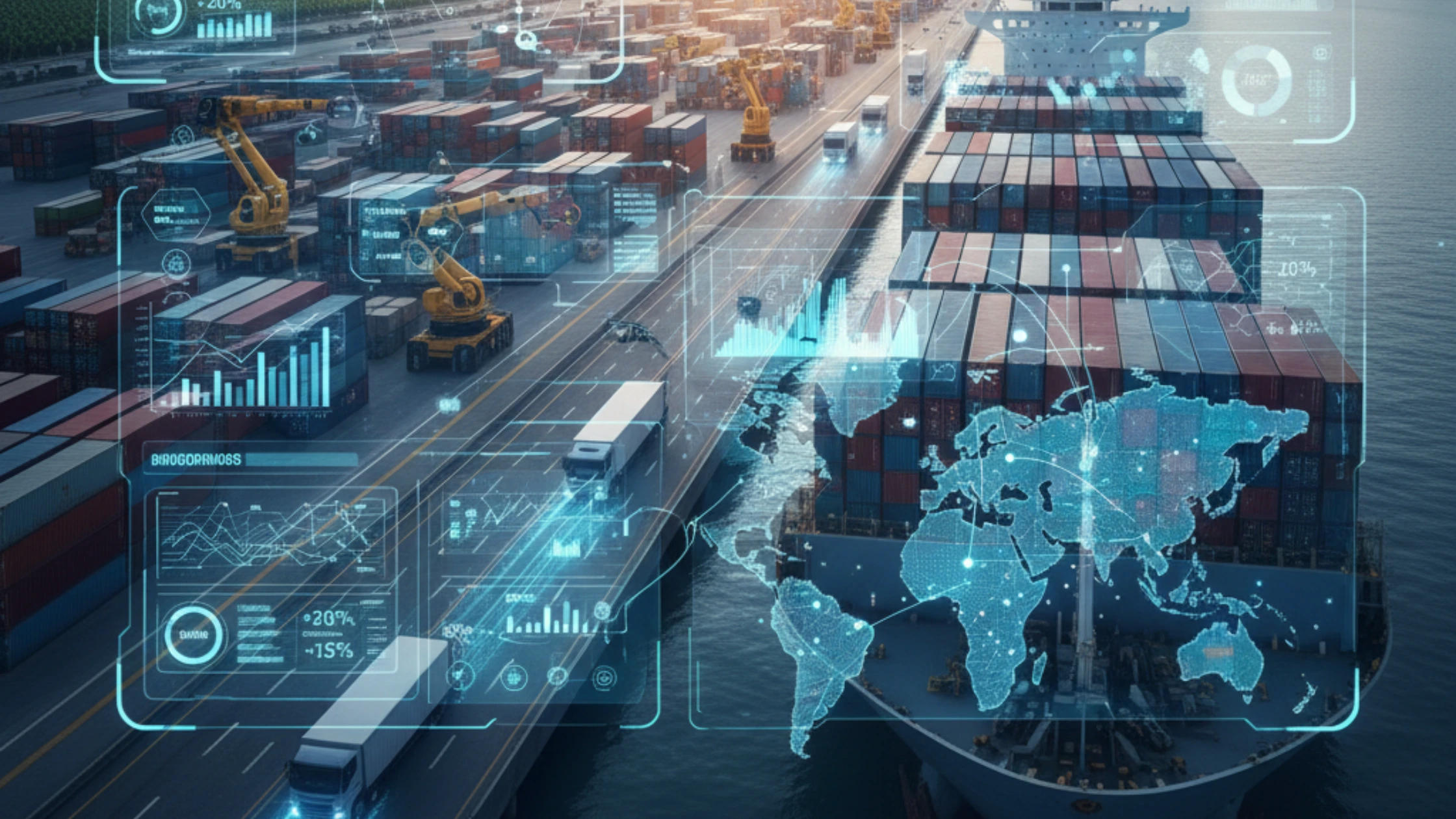
In today’s hyperconnected world, technology has become the backbone of global commerce. Every step of production, procurement, and logistics is being reshaped by digital innovation. The days of manual tracking, delayed communication, and fragmented systems are being replaced by integrated, data-driven solutions. This transformation is especially vital for companies engaged in international trade, where efficiency, transparency, and agility define success. Among the businesses leading this evolution, BigBang Exports has emerged as a model of modern excellence, using technology to bridge the gap between producers and buyers across continents. By leveraging data analytics, automation, and AI-driven insights, BigBang Exports ensures that every product moves through its sourcing and logistics process with precision and reliability. The evolution of technology in sourcing and supply chain management has not only streamlined operations but also enhanced sustainability, reduced costs, and elevated global competitiveness.
The global sourcing landscape has undergone a dramatic shift in the past decade. Businesses that once relied heavily on manual documentation and traditional coordination now embrace digital ecosystems. These systems integrate procurement, inventory, logistics, and distribution into one seamless flow of information. As technology continues to evolve, companies are adopting predictive analytics to forecast demand, manage suppliers more effectively, and reduce waste. Cloud-based platforms have replaced outdated systems, enabling real-time collaboration between suppliers, manufacturers, and distributors. This digital synchronization allows organizations to respond to changes instantly—whether it’s a sudden spike in demand or a disruption in the supply line. The result is a more resilient and transparent global network that supports both profitability and reliability.
The sourcing supply chain has become a complex web of global partnerships, requiring precision and transparency at every stage. Modern technology has made it possible to trace materials from their point of origin to the final customer. Blockchain, for instance, has introduced tamper-proof recordkeeping that guarantees authenticity and builds buyer trust. Artificial intelligence (AI) assists in analyzing supplier performance and predicting risks before they occur. Automation and robotics, on the other hand, reduce human error and increase operational efficiency. With tools like IoT (Internet of Things) sensors, companies can now monitor shipments, temperature, and location in real time—making delays and damages easier to detect and prevent. For exporters like BigBang Exports, these technologies ensure smoother trade operations, faster delivery times, and higher customer satisfaction. By integrating these tools, the sourcing supply chain becomes a data-rich ecosystem that not only moves goods but also gathers insights for continuous improvement.
AI and predictive analytics have redefined the way sourcing and logistics work. Machine learning algorithms analyze historical data to forecast trends, anticipate disruptions, and suggest the best sourcing routes or suppliers. Predictive models help identify potential risks like geopolitical issues, natural disasters, or supply shortages before they occur. This foresight enables businesses to prepare alternative plans, ensuring continuity even during global crises. For example, predictive analytics can suggest ideal reorder points, reducing both overstocking and stockouts. By making decisions based on accurate data rather than assumptions, exporters can optimize cost efficiency and resource utilization. Companies that leverage AI effectively can maintain consistent product flow, enhance quality control, and build long-term reliability in their supply networks.
Transparency has become one of the most critical elements in global trade. Blockchain technology is now a game-changer for businesses that need to verify authenticity and ensure ethical sourcing. Each transaction and shipment detail can be securely recorded in a decentralized ledger, accessible to every participant in the network. This visibility allows buyers to verify the journey of each product—from the source of raw materials to the final destination. For industries like agriculture, pharmaceuticals, and textiles, this feature ensures quality assurance and compliance with international standards. Exporters like BigBang Exports can use blockchain to provide verifiable proof of origin and sustainability certifications, further strengthening customer confidence. In an age where traceability is key to brand reputation, blockchain ensures that every step in the process is accountable and transparent.
Automation has revolutionized warehouse and inventory management. Robotics are now performing tasks such as sorting, packing, and loading, significantly reducing human intervention and speeding up processes. This shift has minimized labor costs while improving accuracy and consistency. Automated systems also assist in customs documentation and export compliance—tasks that were once time-consuming and prone to error. In logistics, autonomous vehicles and drones are being tested for delivery and surveillance, promising faster and more reliable shipping solutions. These technologies are helping exporters achieve unprecedented levels of efficiency while minimizing environmental impact.
IoT devices play a vital role in monitoring and managing shipments across borders. GPS-enabled sensors and temperature trackers ensure that goods, especially perishable items, are transported under optimal conditions. For exporters dealing with sensitive agricultural or pharmaceutical products, IoT provides real-time updates that prevent spoilage and reduce losses. Furthermore, IoT enhances inventory visibility, allowing companies to manage stock levels dynamically based on live data. The ability to track goods in motion enhances accountability and allows exporters to maintain superior quality standards throughout the journey.
Sustainability is now an essential component of business strategy. Technology enables companies to track their carbon footprint, optimize resource usage, and reduce waste across supply networks. Data-driven sustainability initiatives—such as route optimization to reduce fuel consumption or digital documentation to minimize paper waste—are becoming standard practices. Exporters are now expected to meet eco-friendly standards not just in their products but throughout their sourcing and logistics chain. Companies like BigBang Exports are pioneering this shift by adopting green logistics, ethical sourcing partnerships, and renewable energy-driven operations. These measures ensure that growth aligns with environmental responsibility.
While technology has transformed sourcing and logistics, it comes with challenges such as high implementation costs, cybersecurity threats, and the need for continuous upskilling. Many small and mid-sized exporters struggle with integrating advanced tools into traditional systems. Data privacy and the risk of digital fraud also pose concerns. However, the long-term benefits of technological adaptation—enhanced productivity, better visibility, and stronger customer trust—outweigh these challenges. Continuous investment in secure infrastructure and workforce training remains essential for exporters seeking to stay ahead in the global marketplace.
Technology has reshaped the foundation of trade, logistics, and procurement, setting new standards for speed, transparency, and sustainability. Companies that adapt to these changes are not only becoming more efficient but also more resilient in the face of uncertainty. BigBang Exports exemplifies how embracing technology can lead to seamless global operations and customer trust. Through digital tools, automation, and ethical sourcing, BigBang Exports has created a supply ecosystem that reflects the future of global commerce. As innovation continues to advance, the next era of sourcing and supply chain management will be driven by intelligence, transparency, and sustainability. Businesses that embrace these shifts today will lead the trade networks of tomorrow, shaping a smarter and more responsible global economy.