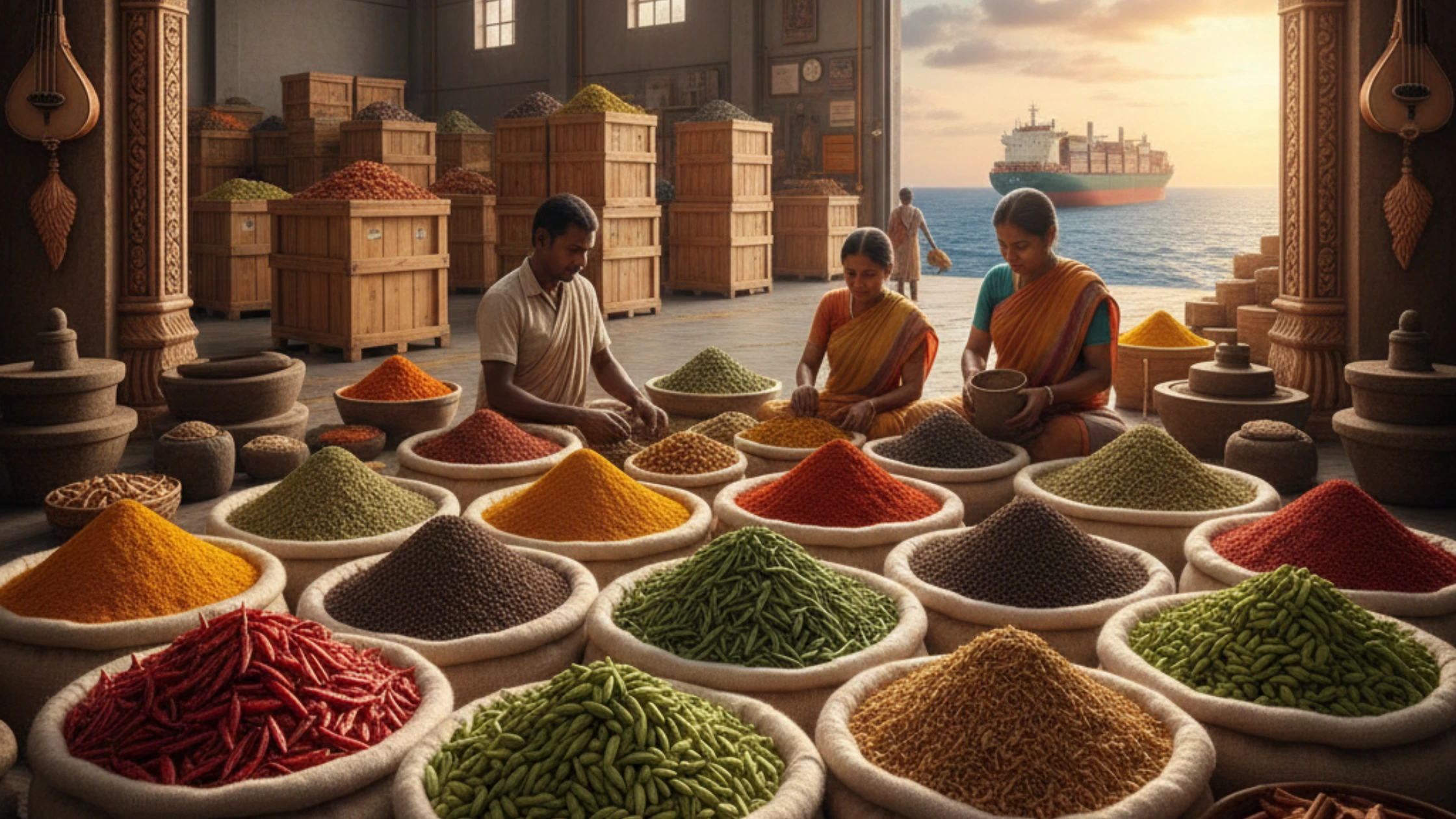
India’s relationship with spices runs deep—it’s a story that spans centuries, trade routes, and cultures. From the ancient spice trails to modern shipping lanes, Indian spices have seasoned the world’s kitchens and inspired global cuisines. Today, this legacy continues through modern trade and organized export networks. Among the many contributors to this legacy, BigBang Exports stands out as a symbol of trust, quality, and authenticity. As one of the most reliable players in the spice trade, BigBang Exports bridges the gap between traditional Indian farming and contemporary global demand. The thriving market for Indian spices is not merely about flavor—it’s about heritage, sustainability, and excellence that resonates across continents.
For centuries, spices have been the heart of India’s cultural and economic identity. From black pepper and cardamom to turmeric and cumin, these aromatic treasures once attracted traders from Arabia, Europe, and beyond. Today, India continues to dominate global spice production, accounting for nearly 75% of the world’s varieties. The spices export from India has evolved from ancient bartering systems to sophisticated international trade networks that adhere to modern quality standards. India’s spice story is one of consistency—retaining its natural essence while adapting to global trends.
Indian spices are more than just ingredients—they are symbols of authenticity, purity, and rich flavor. Several factors contribute to their global appeal:
The spice trade has transformed dramatically over the years. What began as regional exchanges is now a highly regulated, technology-driven industry. India’s exporters have embraced digital supply chain systems, quality certifications, and advanced packaging to meet global expectations. The modernization of processing plants and the introduction of cold storage technologies have improved shelf life and freshness. Furthermore, the integration of AI-based traceability systems ensures transparency from farm to shipment. This evolution has helped Indian exporters establish a strong foothold in international markets while maintaining the country’s age-old reputation for quality.
The real backbone of India’s spice export success lies in the exporters of spices in India who ensure consistency and excellence. These companies connect small-scale farmers to buyers worldwide, enabling rural economies to thrive. They are responsible for standardizing processes, maintaining hygiene, and meeting international safety norms. Exporters also play a crucial role in branding—helping Indian spices gain recognition under geographical indications like “Malabar Pepper” and “Alleppy Turmeric.” By managing logistics, documentation, and compliance, they simplify the export process for both producers and international buyers.
In an industry where purity and consistency are everything, BigBang Exports has earned a reputation as one of India’s most dependable spice exporters. The brand’s approach combines deep-rooted traditional values with modern efficiency. By partnering directly with farmers, BigBang Exports ensures fair pricing, ethical sourcing, and premium quality. The company’s advanced processing facilities and stringent quality checks ensure that every batch meets global safety standards. What truly sets the brand apart is its commitment to sustainability and innovation—two values that drive its success in international markets.
One of the biggest strengths of Indian spice exporters lies in their ability to maintain authenticity while meeting international benchmarks. Exporters like BigBang Exports invest heavily in certifications such as ISO, HACCP, and FSSAI to ensure credibility. The brand’s supply chain adheres to international packaging norms, moisture control standards, and traceability protocols. With buyers becoming increasingly conscious of food safety and sustainability, maintaining these standards is essential. By combining innovation with tradition, Indian exporters ensure that the authentic flavors of India remain intact even after long transcontinental journeys.
As the world shifts toward eco-conscious consumption, Indian spice exporters are embracing sustainable farming and trade practices. This includes minimizing chemical use, promoting organic certification, and supporting farmers through training programs. Exporters are also adopting biodegradable packaging materials and implementing efficient logistics to reduce carbon footprints. This sustainability-driven approach not only benefits the planet but also strengthens India’s image as a responsible global supplier.
Despite India’s dominance, the spice export industry faces challenges that demand continuous innovation:
The Indian government has been instrumental in helping spice exporters expand globally. The Spices Board of India provides training, research, and certification facilities. The Agriculture Export Policy and initiatives like “Brand India” promote the country’s agricultural exports by improving logistics and easing documentation. Several export zones and food parks have been developed to facilitate processing and packaging. Financial incentives and export subsidies also help exporters maintain competitive pricing in the global market.
Modern spice exporters are integrating technology into every aspect of their business—from precision farming to digital marketing. AI-powered forecasting helps exporters anticipate market trends and optimize inventory. Blockchain-based traceability ensures buyers can track products from farm to shelf. Additionally, data analytics helps exporters understand regional preferences, allowing for targeted marketing and efficient supply chain management.
In an era where authenticity is prized as much as innovation, BigBang Exports perfectly balances the two. The company’s operations reflect the timeless charm of India’s spice culture, combined with the efficiency of modern global trade. From sourcing ethically grown pepper and turmeric to exporting premium-quality spice blends, the brand ensures that every shipment represents India’s agricultural excellence. Its dedication to transparency, sustainability, and customer satisfaction continues to build trust among international buyers.
India’s spices have always been more than a commodity—they are a cultural bridge connecting continents through taste and tradition. The country’s exporters have transformed this ancient trade into a thriving global enterprise that upholds quality, heritage, and sustainability. As the demand for natural and authentic ingredients rises, India remains the world’s go-to source for premium spices. Companies like BigBang Exports play a pivotal role in this success by maintaining unmatched quality and fostering fair trade relationships with farmers and global clients alike. With its commitment to integrity and innovation, BigBang Exports exemplifies how modern Indian exporters can preserve tradition while driving global progress. The journey of Indian spices—from fertile soil to distant shores—continues to enrich the world, one flavor at a time.