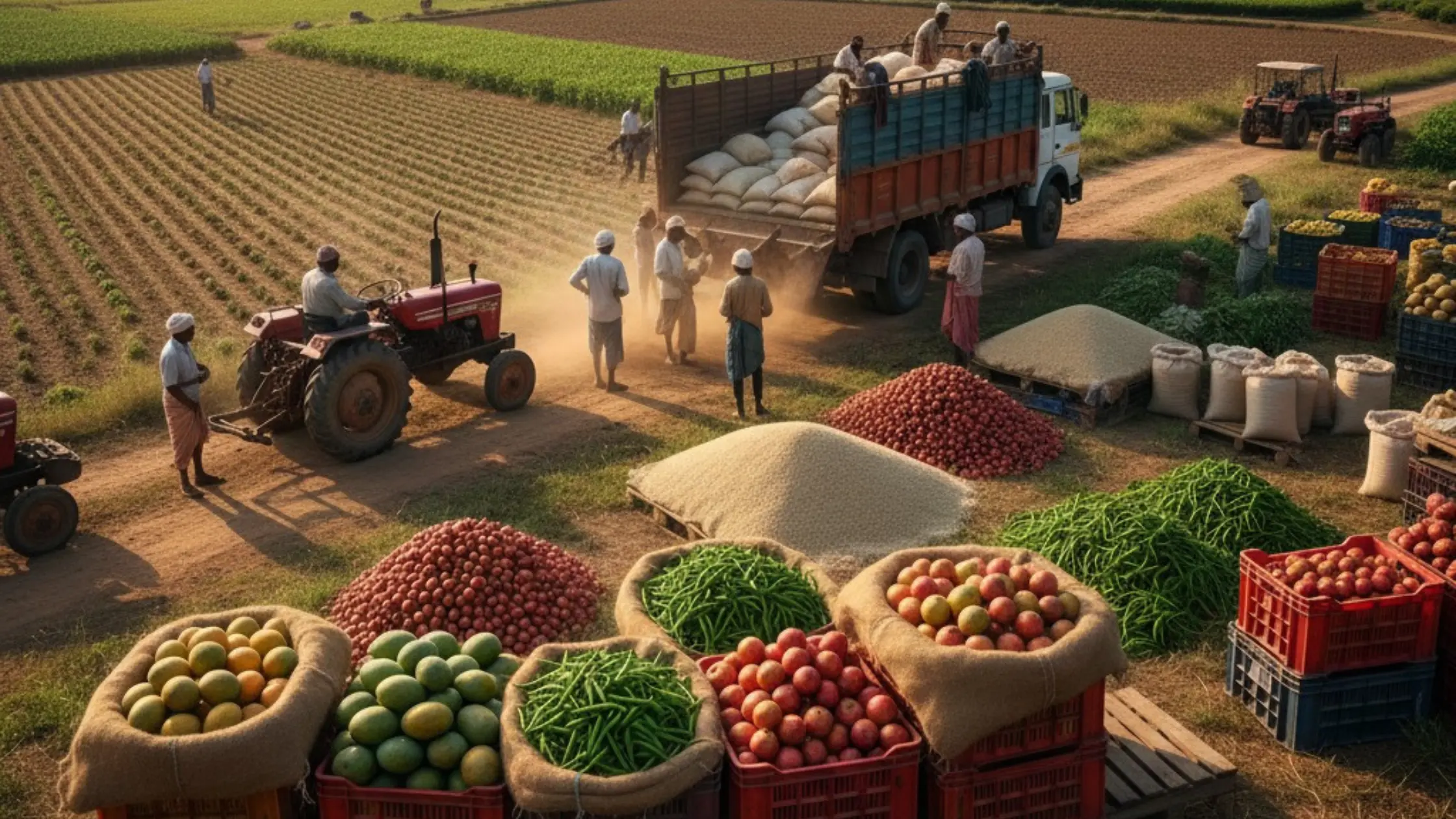
Sustainability is no longer a global trend—it is a necessity, especially in agriculture. Across continents, consumers, governments, and international buyers are pushing for cleaner, greener, and more transparent food systems. India, one of the world’s largest producers and exporters of agricultural goods, has been adapting steadily to this shift. Over the last decade, Indian exporters, farmers, and policymakers have collectively moved toward practices that reduce environmental impact, improve traceability, and strengthen long-term agricultural health. BigBang Exports has been closely aligned with this transformation, supporting farmers, promoting efficient sourcing practices, and driving forward-thinking solutions in the export ecosystem. When working with BigBang Exports, global partners experience firsthand how India is merging tradition with innovation to build a more sustainable agricultural future.
Sustainability matters because buyers today evaluate more than product quality—they want environmentally responsible farming, ethical sourcing, and transparent supply chains. Countries in Europe, the Middle East, the U.S., and Southeast Asia increasingly impose environmental standards that exporters must meet to stay competitive. To match these expectations, Indian agriculture has begun shifting gears. Farmers are adopting eco-friendly cultivation techniques, exporters are investing in better packaging and logistics, and regulatory bodies are supporting cleaner production systems. As a result, sustainability is influencing everything from seed selection to post-harvest handling.
Partnering with the best export company in India ensures that agricultural products move through a supply chain that values environmental responsibility. Reputed export companies today:
Such exporters act as a bridge between farmers and global markets, helping the entire value chain shift toward a greener direction.
Sustainability isn’t just beneficial to the planet—it also influences economic growth. This is where understanding how the export of agricultural products in India strengthens the economy becomes important. When Indian agri exports become more sustainable, the economy benefits through:
Sustainable exports ensure long-term resilience, reduce environmental risks, and contribute to rural livelihoods.
Rapid Growth of Organic Farming
India is now one of the world’s top
organic producers.
Benefits of organic farming include:
Farmers in states like Sikkim, Uttarakhand, Rajasthan, and Karnataka are increasingly adopting organic methods.
Water-Efficient Agricultural Technologies
With growing climate concerns,
water conservation has become essential. Indian farmers now use:
These systems reduce water usage while improving crop quality.
Eco-Friendly Export Packaging
Exporters are shifting from traditional
plastic to sustainable options like:
This lowers environmental impact and meets international packaging norms.
Strengthening Cold Chain Infrastructure
India loses nearly 20–25% of
perishable produce due to inefficient storage. Upgraded cold chains help reduce losses and
emissions. New developments include:
Cold chains not only support sustainability but also improve export reliability.
Traceability Through Digital Technologies
Digitalisation is one of the
strongest pillars of sustainable exports. Exporters now use:
These technologies assure global buyers of authenticity and transparency.
Farmers form the backbone of sustainable exports. Several eco-friendly practices are gaining popularity:
These changes improve long-term soil health and reduce environmental harm.
Exporters play a crucial role in transforming Indian agriculture from the farm level upward. Leading exporters help farmers by:
Such initiatives help farmers not just produce—but produce responsibly.
Worldwide demand for responsibly grown products continues to rise. International consumers prefer:
Indian exporters who meet these standards gain faster acceptance and stronger partnerships abroad.
While India is moving in the right direction, certain obstacles slow progress:
However, government schemes, training programs, and exporter support are steadily addressing these issues.
Global importers want to partner with suppliers who:
By adopting sustainable techniques, India enhances its international reputation and strengthens long-term trade relationships.
India’s journey toward sustainability is just beginning, but the momentum is strong. Over the next decade, the export ecosystem is expected to embrace:
India is on track to become a global leader in sustainable agriculture and export innovation.
Sustainability directly impacts rural communities. When farmers adopt eco-friendly practices, they benefit from:
These improvements uplift rural regions and create a stronger national economy.
Buyers across the world choose sustainable Indian products because they provide:
Sustainability makes Indian exports more appealing globally.
With increasing global competition, sustainability is no longer optional. It is essential to maintain:
India’s commitment to sustainability will define the next generation of agricultural exports.
Sustainability has moved from being a global trend to a core requirement for agricultural exports. As demand grows for environmentally responsible products, India is stepping up with modern techniques, cleaner supply chains, and stronger partnerships. BigBang Exports is actively supporting this evolution by promoting responsible sourcing, guiding farmers, and ensuring transparent export practices. With BigBang Exports, global buyers experience the reliability and eco-consciousness that modern trade requires. As India continues strengthening its sustainable export ecosystem, BigBang Exports remains committed to shaping a greener, more resilient, and globally respected agricultural future.