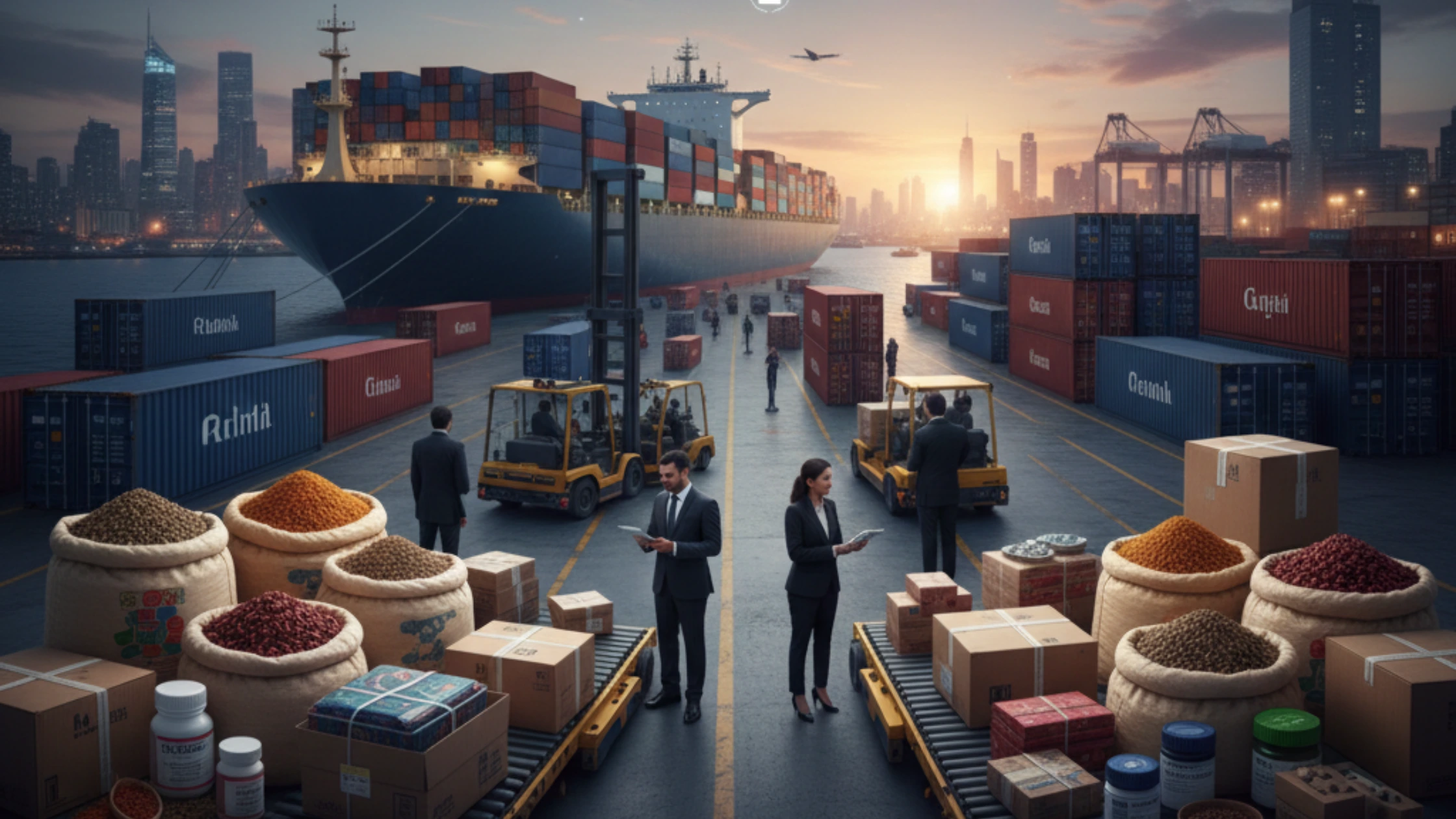
India’s export industry stands as a pillar of the nation’s economic strength, blending tradition with innovation. Over the years, the country has expanded its trade portfolio to cater to global demand across multiple sectors — from agricultural produce to engineering goods. Among the businesses driving this momentum, BigBang Exports has emerged as a trusted name, contributing significantly to India’s growth as a global exporter. With its focus on quality, sustainability, and international standards, BigBang Exports continues to connect India’s diverse products with markets around the world. The export sector not only showcases India’s vast industrial and agricultural capabilities but also symbolizes its evolving role in the global economy. Let’s explore the top 10 products that have placed India on the map of international trade.
India is rightly known as the “Pharmacy of the World.” The nation supplies more than 20% of the global demand for generic medicines and vaccines. Indian pharmaceutical companies are renowned for their affordability, efficiency, and compliance with global quality standards. The export of life-saving drugs, vaccines, and active pharmaceutical ingredients (APIs) has been one of the most consistent contributors to the country’s foreign exchange earnings. With advanced R&D and technology, India’s pharma exports have reached over 200 countries, including the U.S., Europe, and Africa.
India’s textile and garment industry is one of the oldest and most competitive sectors, contributing significantly to the nation’s export revenue. From traditional handloom fabrics to high-end fashion apparel, Indian textile exports have captured global markets through quality craftsmanship and diverse styles. The industry supports millions of artisans and workers, making it not just an economic driver but also a vital element of India’s cultural heritage. This category plays a crucial role in representing the most exported products from India to global markets, reinforcing the country's position as a textile powerhouse.
Agriculture has always been the backbone of India’s economy, and its exports in this sector continue to thrive. India exports a wide range of agricultural and processed food products including rice, spices, tea, coffee, fruits, and vegetables. As a leading agricultural exporter, the country caters to growing global demand for organic and sustainably produced foods. Government initiatives such as “Make in India” and “Export Promotion Schemes” have further strengthened India’s position in this field. Indian rice, particularly Basmati, is one of the most sought-after products globally, symbolizing purity and premium quality.
Engineering goods have consistently topped India’s export charts. Products like industrial machinery, automobiles, auto components, and transport equipment are shipped to multiple continents. The sector benefits from India’s growing manufacturing capabilities and emphasis on “Atmanirbhar Bharat” (Self-Reliant India). Companies have focused on innovation, precision, and sustainability, making Indian engineering goods globally competitive.
India is one of the largest refiners of crude oil and a significant exporter of petroleum products such as diesel, gasoline, and jet fuel. With refineries that meet global standards, India not only meets domestic energy needs but also supplies quality petroleum products worldwide. The petroleum export industry plays a crucial role in stabilizing India’s trade balance and generating significant revenue.
India’s jewelry and gemstone industry is renowned for its fine craftsmanship, intricate designs, and high-quality polishing. Diamonds, gold jewelry, and precious stones make up a substantial portion of India’s exports. The country’s skilled artisans and cutting-edge polishing technology have made it a trusted global supplier. This sector also contributes significantly to employment and foreign exchange earnings, representing India’s artistic excellence on the world stage.
From organic chemicals to fertilizers and dyes, India’s chemical industry has shown remarkable growth. It serves as a backbone for various other industries, including textiles, pharmaceuticals, and manufacturing. Indian chemical exports are in high demand due to quality assurance and cost-effectiveness. The country’s focus on green chemistry and sustainable production further enhances its global reputation.
India’s leather exports have evolved from traditional craftsmanship to modern design-oriented products. The industry produces a wide range of items including shoes, bags, belts, and garments. With its sustainable tanning techniques and eco-friendly manufacturing, India has gained the trust of buyers in Europe, the U.S., and the Middle East. Leather exports not only highlight skill but also India’s ability to adapt to global fashion trends.
India’s electronics exports, including components, hardware, and consumer devices, are on a sharp rise. As global demand for technology products grows, India’s role in supplying affordable and efficient electronics has expanded significantly. Government programs like “Digital India” and “Make in India” have encouraged investments in this sector, making it one of the most promising areas for future export growth.
India’s automobile sector has become a global hub for small car manufacturing and export. Leading international companies rely on Indian-made vehicles, engines, and spare parts due to high quality and competitive pricing. The country exports vehicles to regions like Africa, Latin America, and Asia, strengthening its position as a preferred production destination.
The digital revolution has reshaped how Indian exporters connect with global markets. Advanced analytics, automation, and blockchain technology have enhanced transparency, traceability, and logistics efficiency. For companies like BigBang Exports, technology ensures smooth operations, better communication with global partners, and timely delivery. Adopting smart supply chain systems has allowed exporters to maintain competitiveness while ensuring reliability and quality at every stage.
While India’s export industry continues to grow, challenges such as fluctuating global prices, logistics costs, and compliance with international standards persist. However, with strategic government policies, improved port infrastructure, and growing global trust in Indian products, the opportunities outweigh the obstacles. Exporters are increasingly focusing on diversification and value-added products to remain resilient against global uncertainties.
India’s export industry is a powerful blend of traditional craftsmanship and modern innovation. The most exported products from India reflect not only the nation’s industrial strength but also its ability to adapt to global demands. From agriculture and textiles to technology and engineering, each sector contributes to shaping India’s identity as a reliable trade partner. Companies like BigBang Exports are at the forefront of this transformation, maintaining India’s reputation for quality and trust in international markets. As the world becomes increasingly interconnected, BigBang Exports continues to exemplify the excellence and reliability that define India’s role in global trade.