How to Export Indian Spices: A Complete Guide for Global
Traders in 2025
India has always been known as the land of spices. From the
aromatic cardamom of Kerala to the fiery red chili of Andhra
Pradesh, Indian spices have a unique taste and quality that is
appreciated worldwide. For global traders looking to enter the
spice market, India offers immense opportunities. However,
exporting spices successfully requires careful planning,
understanding of international regulations, and reliable partners.
Big Bang Exports is one
such trusted partner that has been helping international buyers
source high-quality Indian spices for years. With their expertise
in sourcing, quality control, and logistics, global traders can be
confident in receiving authentic Indian products. In this guide,
we will cover every step of exporting Indian spices, from
selecting products to reaching international markets.
Why Export Indian Spices?
- High Global Demand
Indian spices are sought after worldwide for their flavor, aroma,
and quality. Countries across Europe, North America, and Asia
import spices for both culinary and medicinal purposes. Exporting
Indian spices can be highly profitable if done correctly.
- Wide Variety of Products
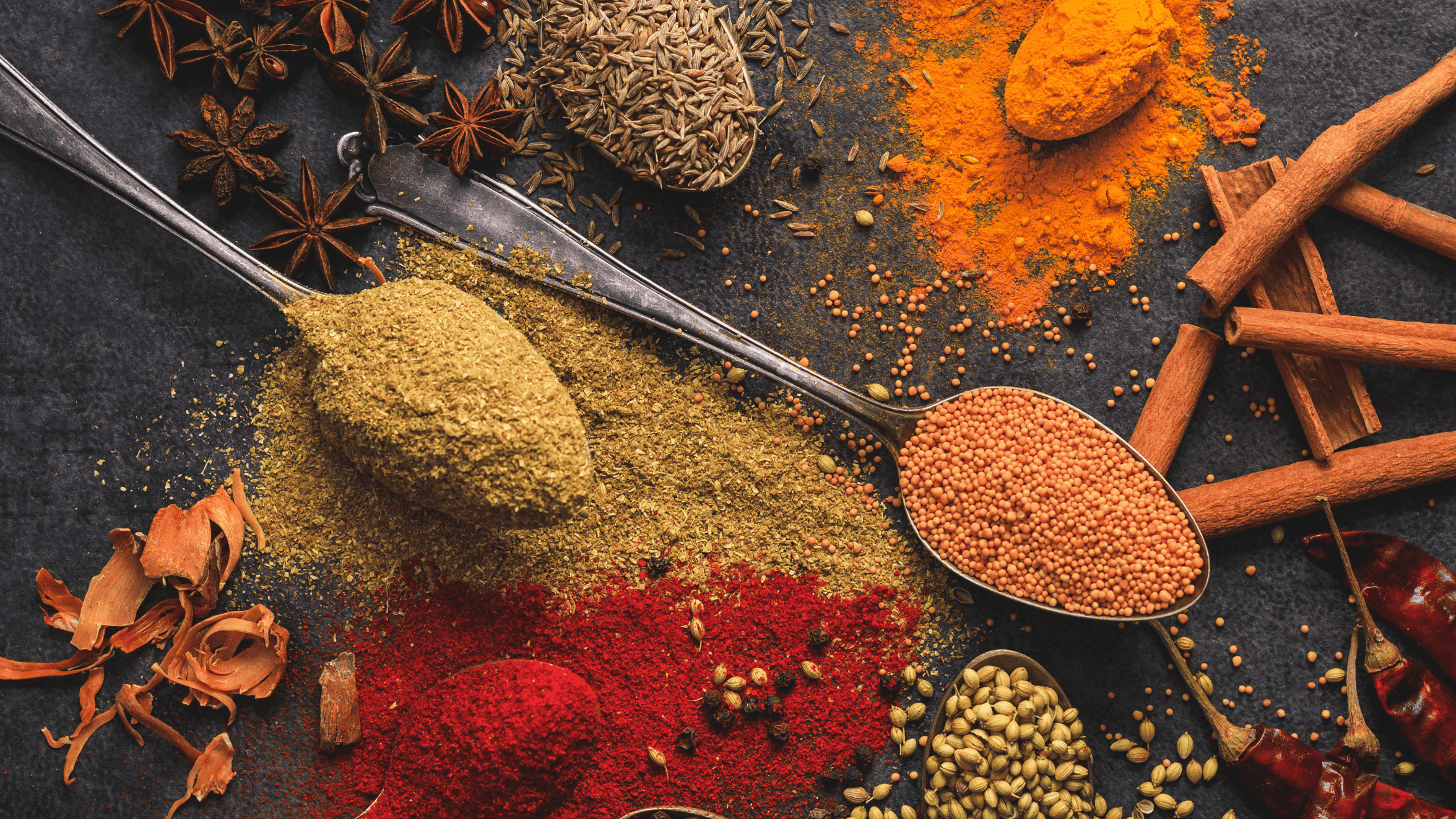
India produces a large variety of spices, including:
-
Black Pepper – Known as the “King
of Spices,” used in cuisines globally.
-
Turmeric – Highly valued for its
medicinal and culinary uses.
-
Cardamom – A premium spice used in
baking, desserts, and tea.
-
Cinnamon – Popular in both food and
health products.
-
Cloves – Used in cooking, medicine, and
essential oils.
- Competitive Advantage
India’s natural climate, traditional farming practices, and
experienced farmers give its spices a competitive edge in the
global market. With proper packaging and certification, Indian
spices stand out for their quality and authenticity.
Step-by-Step Process for Exporting Indian Spices
Successfully
Step 1: Selecting the Right Spices to Export
Before exporting, it’s important to select spices that are
in demand in your target markets. Some tips:
-
Research Market Trends: Check international
demand for spices in countries like the USA, UAE, and European
nations.
-
Focus on High-Quality Products: Premium spices
like cardamom, saffron, and black pepper fetch better prices.
-
Check Seasonality: Some spices have seasonal
availability; plan your procurement accordingly.
Step 2: Sourcing Spices from Reliable Suppliers
Finding the right suppliers is crucial. Poor-quality products can
damage your reputation as an exporter. Here’s how to choose
suppliers:
-
Look for Certified Farms: Ensure suppliers
follow chemical free or quality certification standards.
-
Visit Farms if Possible: Seeing the production
process helps ensure authenticity.
-
Check Supplier Track Record: Established
suppliers with years of experience are more reliable.
-
Partner with Trusted Exporters: Companies like
Big Bang Exports already have verified suppliers, making
sourcing easier.
Step 3: Understanding Export Documentation
Exporting spices involves proper documentation to meet
international standards. Essential documents include:
-
FSSAI License: Certification from the Food
Safety and Standards Authority of India.
-
Export License: Issued by DGFT (Directorate
General of Foreign Trade).
-
Phytosanitary Certificate: Ensures the spices
are free from pests.
-
Invoice and Packing List: Detailed description
of the product and quantity.
-
Certificate of Origin: Confirms the product is
sourced from India.
Step 4: Packaging and Labeling
Packaging plays a key role in maintaining spice quality during
transit. Tips for effective packaging:
-
Use Airtight Packaging: Prevent moisture and
contamination.
-
Consider Bulk and Retail Packaging: Depending
on the buyer’s requirement.
-
Label Clearly: Include spice name, net weight,
batch number, origin, and certifications.
-
Follow International Standards: Some countries
require specific labeling formats.
Step 5: Quality Control and Certification
International buyers often demand high-quality products with
certifications. Steps to ensure quality:
-
Laboratory Testing: Check for purity, moisture
content, and pesticide residues.
-
ISO Certification: Ensures standard quality
practices.
-
Organic Certification (if applicable): Needed
for chemical free spice exports.
-
Consistent Quality: Working with suppliers like Big Bang Exports
ensures reliable, tested products every time.
Step 6: Choosing Shipping and Logistics
Selecting the right shipping method is critical for safe delivery.
Options include:
-
Air Freight: Fast but expensive; suitable for
premium or perishable spices.
-
Sea Freight: Cost-effective for bulk shipments
but takes longer.
-
Courier Services: Good for small orders and
samples.
Additional logistics tips:
-
Understand Incoterms: Determines who bears
costs and risks during transit.
-
Hire a Freight Forwarder: Helps with customs
clearance and smooth shipping.
-
Track Shipments: Ensure timely delivery and
handle issues promptly.
Step 7: Finding International Buyers
Connecting with the right buyers is essential for export success:
-
Trade Shows and Expos: Events like the
“World Spice Congress” provide networking
opportunities.
-
Online B2B Platforms: Websites like Alibaba,
Global Sources, and IndiaMART help find buyers.
-
Direct Marketing: Contact restaurants,
wholesalers, and distributors in target countries.
-
Use Reliable Exporters: Working with Big Bang
Exports can simplify buyer connections and international
dealings.
Step 8: Pricing Your Spices
Pricing depends on:
-
Cost of Production: Includes sourcing,
processing, and packaging.
-
Shipping and Duties: Consider freight costs,
customs duties, and taxes.
-
Market Demand: Premium spices fetch higher
prices; common spices may require competitive pricing.
-
Profit Margin: Set prices that are attractive
to buyers yet profitable for you.
Step 9: Handling Export Challenges
Some common challenges exporters face include:
-
Quality Issues: Ensure consistent testing and
sourcing.
-
Regulatory Compliance: Stay updated with import
regulations in each country.
-
Logistics Delays: Plan for shipping time and
potential delays.
-
Currency Fluctuations: Manage international
payments carefully.
Solutions:
-
Partner with experienced exporters like Big Bang Exports.
- Use professional logistics and customs agents.
- Maintain transparent communication with buyers.
Step 10: Marketing Your Spices Globally
Marketing is key to long-term export success:
-
Create a Brand: Professional packaging and a
trusted name attract buyers.
-
Online Presence: Use websites and social media
to showcase products.
-
Certifications as Marketing Tools: Highlight
ISO, organic, and FSSAI certifications.
-
Customer Relationships: Repeat buyers are the
backbone of successful spice exports.
Conclusion
Exporting Indian spices is a profitable and rewarding business,
but it requires proper planning, sourcing, quality control, and
international compliance. By understanding each step, global
traders can ensure smooth operations and successful transactions.
Big Bang Exports has been a reliable partner for traders
worldwide, providing high-quality Indian spices, certified
products, and seamless export services. Whether you are new to
spice exporting or expanding your business, working with trusted
partners ensures authenticity, consistency, and customer
satisfaction.
In 2025, with rising global demand for Indian spices, there has
never been a better time to start exporting. Partnering with
experts like Big Bang Exports can help you navigate every step,
from sourcing to shipping, making the process efficient and
profitable.
Contact Big Bang Exports today
to get started on your spice export journey!
With proper research, preparation, and reliable partners,
exporting Indian spices can open doors to a thriving international
market. Big Bang Exports remains committed to helping global
traders succeed with authentic, high-quality Indian spices.